
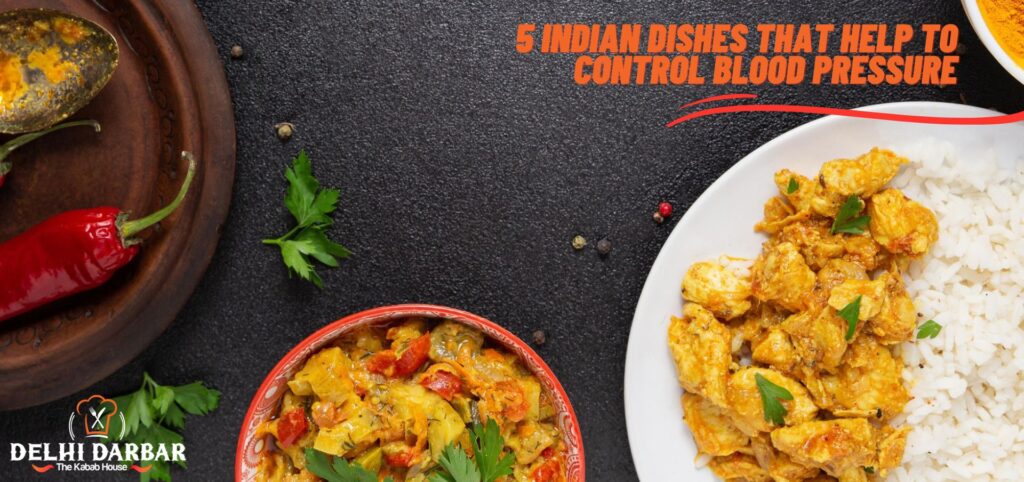
In this blog, we will delve into the realm of blood pressure management and explore five exquisite Indian dishes that can help you maintain healthy blood pressure levels. Get ready to embark on a culinary journey that combines the richness of Indian spices, the vibrancy of ingredients, and the science of nutrition.
In today’s fast-paced world, it is crucial to prioritize our health, and blood pressure management plays a vital role in our overall well-being. Indian cuisine, renowned for its diverse flavors and aromatic spices, offers a treasure trove of dishes that are not only delectable but also beneficial for maintaining optimal blood pressure levels. Through this blog, we aim to empower you with knowledge and inspire you to make informed dietary choices that promote heart health and enhance your culinary experience.
Join us as we unlock the secrets of Indian cuisine and discover the art of balancing taste and health. With the Delhi Darbar blog as your guide, you will learn how to create delicious, blood pressure-friendly Indian dishes that will tantalize your taste buds while nourishing your body. Get ready to savor the flavors, experience the magic of Indian spices, and embark on a culinary adventure that combines taste, tradition, and wellness.
1. Palak Paneer
Palak Paneer is a popular Indian dish that is not only delicious but also has several health benefits, including its ability to help control blood pressure. In this article, we will explore the ingredients and nutritional value of Palak Paneer and how it can be incorporated into a healthy diet to improve blood pressure.
Palak Paneer is made with spinach (palak) and paneer, a type of Indian cottage cheese. Spinach is an excellent source of potassium, which is known to help lower blood pressure. Potassium helps to relax blood vessels, thereby reducing the strain on the heart and improving blood flow. Paneer, on the other hand, is a good source of calcium, which is also beneficial for blood pressure management. Studies have shown that consuming calcium-rich foods may help to reduce blood pressure.
In addition to the spinach and paneer, Palak Paneer also contains other ingredients such as onions, garlic, and ginger. These ingredients are known to have anti-inflammatory properties, which can help to improve heart health and reduce the risk of developing hypertension. Garlic, in particular, has been shown to help lower blood pressure by relaxing blood vessels and improving blood flow.
To make Palak Paneer, the spinach is first blanched in boiling water and then pureed with onions, garlic, and ginger. The mixture is then simmered with spices such as cumin, coriander, and turmeric, which add flavor and additional health benefits. Finally, the paneer is added to the spinach mixture and simmered until heated through.
Palak Paneer can be served as a main dish with rice or Indian bread such as naan or roti. It can also be served as a side dish alongside other Indian dishes. To make Palak Paneer even healthier, consider using low-fat paneer or tofu instead of traditional paneer.
Palak Paneer is a delicious and nutritious dish that can help to control blood pressure. Its key ingredients, spinach and paneer, are rich in potassium and calcium, respectively, which have been shown to have a positive impact on blood pressure. Additionally, the anti-inflammatory properties of the dish’s other ingredients make it a great choice for promoting heart health. So, the next time you’re looking for a healthy and flavorful meal, give Palak Paneer a try!
2. Dal Makhani
Dal Makhani is a popular vegetarian dish from North India, made primarily with whole black lentils and kidney beans. This dish is not only delicious, but it also has several health benefits, including its ability to help control blood pressure.
One of the primary reasons that Dal Makhani is beneficial for blood pressure control is because of its high fiber content. Fiber is essential for a healthy diet and is known to help lower blood pressure levels. This dish is also high in potassium, which can help regulate blood pressure. Potassium helps to reduce the negative effects of sodium in the body, which is one of the leading causes of high blood pressure.
Another reason why Dal Makhani is a great dish for those looking to control their blood pressure is that it is low in fat. While many traditional Indian dishes can be high in fat and calories, this dish is made with minimal amounts of oil and butter. By consuming a diet low in saturated and trans fats, you can help to maintain healthy blood pressure levels.
The lentils used in Dal Makhani are also a good source of protein, which is essential for a healthy diet. Protein helps to regulate blood pressure by helping to maintain healthy blood vessels. The iron in lentils also plays a crucial role in maintaining healthy blood pressure levels.
Dal Makhani is a delicious and healthy dish that can help to control blood pressure levels. Its high fiber, potassium, and low-fat content, combined with its protein and iron, make it an excellent addition to any diet. Incorporating this dish into your weekly meal plan can be a great way to improve your overall health and wellness.
3. Chicken Tikka Masala
Chicken Tikka Masala is a popular Indian dish that consists of marinated and grilled chicken pieces in a creamy tomato-based sauce. While it is not commonly thought of as a dish that helps to control blood pressure, it can actually be a healthy addition to a balanced diet.
One of the key ingredients in Chicken Tikka Masala is tomatoes, which are rich in lycopene, a powerful antioxidant that has been shown to help reduce blood pressure. Lycopene helps to relax the blood vessels and improve blood flow, which can help to lower blood pressure levels.
Another ingredient in Chicken Tikka Masala that can help to control blood pressure is garlic. Garlic contains compounds that help to relax the blood vessels and improve blood flow, which can help to lower blood pressure levels. It also has anti-inflammatory properties that can help to reduce inflammation in the blood vessels and improve cardiovascular health.
The chicken used in the dish is also a good source of lean protein, which is an important part of a healthy diet. Protein helps to build and repair tissues in the body, and it also helps to regulate blood sugar levels and reduce insulin resistance, which can help to lower blood pressure.
Finally, the spices used in Chicken Tikka Masala, such as cumin, coriander, and turmeric, are all known for their health benefits. Cumin has been shown to help reduce blood pressure levels, while coriander can help to reduce inflammation in the body. Turmeric contains curcumin, a powerful antioxidant that has been shown to help reduce blood pressure and improve cardiovascular health.
while Chicken Tikka Masala may not be the first dish that comes to mind when thinking about foods that help to control blood pressure, it can be a healthy and delicious addition to a balanced diet. By including ingredients such as tomatoes, garlic, lean protein, and healthy spices, this dish can offer a variety of health benefits that can help to improve cardiovascular health and reduce the risk of high blood pressure.
4. Raita
Raita is a traditional Indian side dish that is commonly served with spicy and flavorful main dishes such as biryani or curry. This refreshing dish is made by mixing fresh yogurt with chopped vegetables, herbs, and spices. Raita can be made with a variety of ingredients, such as cucumber, tomato, onion, mint, coriander, and cumin.
When it comes to controlling blood pressure, raita can be a great addition to your diet. Yogurt, which is the main ingredient in raita, is a rich source of calcium and potassium. These two minerals play a key role in regulating blood pressure. Studies have shown that consuming foods that are high in calcium and potassium can help to lower blood pressure levels in individuals with hypertension.
Moreover, raita is a low-calorie dish that is high in protein and fiber. Protein is essential for building and repairing tissues in the body, while fiber helps to regulate digestion and keep you feeling full for longer periods of time. Eating a diet that is high in protein and fiber can help to reduce the risk of developing high blood pressure.
Additionally, some of the spices used in raita, such as cumin and coriander, are known to have blood pressure-lowering effects. Cumin contains compounds that can help to relax blood vessels and reduce inflammation in the body. Coriander, on the other hand, has been shown to have diuretic properties, which can help to remove excess sodium from the body and lower blood pressure levels.
raita is a delicious and healthy dish that can help to control blood pressure levels. It is a great way to add variety to your diet while getting important nutrients and minerals that your body needs to stay healthy.
5. Tandoori Roti
Tandoori Roti is a type of Indian bread that is cooked in a traditional tandoor oven. It is a popular staple in Indian cuisine and is often served with curries, dals, and other Indian dishes. Tandoori Roti is made from wheat flour, which is a rich source of dietary fiber, vitamins, and minerals. This bread is not only delicious but also has several health benefits, including helping to control blood pressure.
One of the main ways that Tandoori Roti can help to control blood pressure is through its high fiber content. Fiber is an essential nutrient that helps to regulate digestion and lower cholesterol levels in the body. By including high-fiber foods like Tandoori Roti in your diet, you can improve your overall cardiovascular health and reduce your risk of developing hypertension.
In addition to fiber, Tandoori Roti is also a good source of complex carbohydrates, which provide sustained energy throughout the day. This can help to keep your blood sugar levels stable and prevent sudden spikes or drops that can lead to high blood pressure.
Tandoori Roti is also a low-fat food that is free from cholesterol, which is important for maintaining a healthy cardiovascular system. High levels of saturated and trans fats in the diet can contribute to the development of high blood pressure, so by choosing low-fat foods like Tandoori Roti, you can help to reduce your risk of hypertension.
Finally, Tandoori Roti is often prepared with a variety of spices, such as turmeric, cumin, and coriander, which have been shown to have anti-inflammatory properties. Inflammation is a contributing factor to many chronic diseases, including high blood pressure, so incorporating these spices into your diet can help to reduce inflammation and promote overall health.
Tandoori Roti is a delicious and nutritious food that can help to control blood pressure. Its high fiber and low-fat content, along with its complex carbohydrates and anti-inflammatory spices, make it a great choice for those looking to maintain a healthy cardiovascular system.
Conclusion:
In conclusion, we hope that the Delhi Darbar blog on “5 Indian Dishes That Help to Control Blood Pressure” has provided you with valuable insights into maintaining a healthy blood pressure through the culinary delights of Indian cuisine. By incorporating these dishes into your diet, you can not only savor the flavors of India but also take proactive steps towards managing your blood pressure and promoting overall cardiovascular health.
At Delhi Darbar, we believe that healthy eating should never be bland or boring. Our aim is to showcase the richness and diversity of Indian cuisine while offering practical guidance for those seeking to control their blood pressure. By exploring these flavorful dishes and incorporating them into your meal plans, you can embark on a culinary journey that is both delicious and beneficial to your well-being.
Thank you for joining us on this flavorful adventure and being a part of the Delhi Darbar community. We encourage you to continue exploring our blog for more exciting content, recipes, and tips that will inspire you to embrace the goodness of Indian cuisine while prioritizing your health. Together, let’s savor the vibrant spices, aromatic herbs, and wholesome ingredients that make Indian food a true delight for the senses and a source of nourishment for the body.